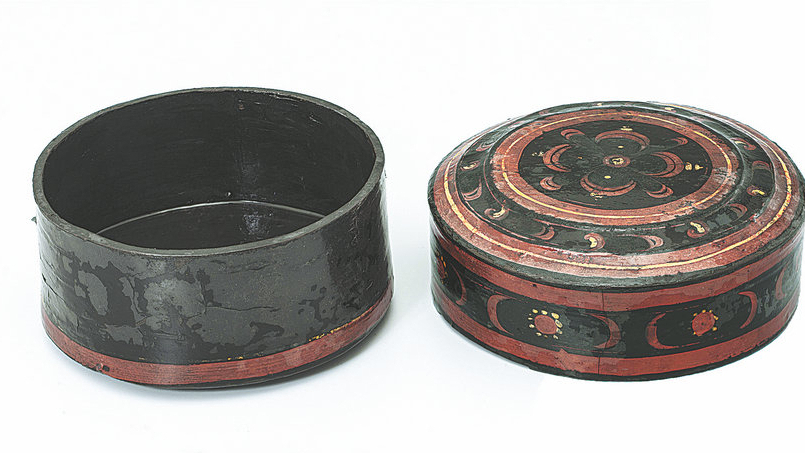
Zhengjiahu Graveyard Site in Yunmeng, Hubei
Introduction
The Zhengjiahu Graveyard Site in Yunmeng county, Hubei province, is a significant archaeological discovery that contributes to our understanding of ancient Chinese civilizations. This site is part of China's rich archaeological landscape, offering insights into cultural practices, burial customs, and social structures of past societies. The site has become a focal point for researchers and historians interested in uncovering the layers of history that define China's ancient eras. The graveyard is known for its well-preserved tombs and a variety of artifacts that have been unearthed, showcasing the craftsmanship and cultural richness of the people who once inhabited this region.
Historical Background
The Zhengjiahu Graveyard Site dates back to a time when the region was a vibrant hub of cultural and social activities. The graveyard is believed to be associated with a prominent community or noble family, given the elaborate nature of the tombs and the quality of the artifacts discovered. Historically, Yunmeng has been a significant area due to its strategic location and fertile lands, which supported thriving communities. The site offers a glimpse into the hierarchical structure and rituals of ancient societies, reflecting the importance of burial practices as a means of honoring the deceased and preserving their legacy. This historical context provides a backdrop for understanding the cultural and social dynamics that influenced the construction and use of the graveyard.
Archaeological Discoveries
Excavation Findings
Archaeological excavations at the Zhengjiahu Graveyard Site have yielded a wealth of information about the past inhabitants of the region. The site consists of multiple tombs, each varying in size and complexity, indicating a possible social stratification among those buried there. Excavators have uncovered burial pits, chambers and corridors, which suggest a well-planned and structured approach to burial practices. The layout and construction techniques used at the site reveal the architectural skills and technological advancements of the time. The discovery of human remains alongside grave goods provides valuable data for studying the health, diet and demographics of the ancient population.
Artifacts and Relics
The rich array of artifacts uncovered at the Zhengjiahu Graveyard Site includes pottery, bronze items, jade ornaments and ceremonial objects. These items not only serve as indicators of the material culture of the era but also offer insights into the daily lives, beliefs, and artistic expressions of the people. The craftsmanship and design of the artifacts suggest a high level of skill and a complex societal appreciation for art and aesthetics. Additionally, the discovery of inscriptions and symbols on some of the artifacts has provided archaeologists with clues about the language, communication methods and potential influences from neighboring cultures. These relics play a crucial role in piecing together the historical narrative of the region.
Cultural Significance
The Zhengjiahu Graveyard Site is of immense cultural significance, as it sheds light on the customs and traditions of ancient Chinese societies. The site reflects the values and beliefs of the community, particularly in terms of their attitudes toward death and the afterlife. The elaborate burial practices and the inclusion of valuable grave goods suggest a belief in an existence beyond death, where the deceased would require material possessions. Such practices highlight the importance of honoring ancestors and maintaining familial ties even after death. The site also provides evidence of cultural exchanges and influences, as seen in the style and origin of some artifacts, which may point to interactions with other regions and cultures.
Preservation and Conservation Efforts
Preservation and conservation efforts are critical for maintaining the integrity of the Zhengjiahu Graveyard Site and ensuring that its historical and cultural value is protected for future generations. These efforts include measures to stabilize and protect the tomb structures, as well as the careful preservation of artifacts to prevent deterioration. Innovative technologies and methodologies are employed to document and analyze the site, allowing for a comprehensive understanding of its significance. Collaboration between local authorities, archaeologists and conservationists is essential to balance the needs of modern development with the preservation of cultural heritage. Public engagement and educational programs are also vital components of conservation efforts, raising awareness about the importance of protecting such invaluable historical sites. Photo Gallery(1 picture)CategoriesCultural HeritageTagArchaeological DiscoveryTangible Cultural HeritageCatalogue1. Introduction2. Historical Background3. Archaeological Discoveries4. Cultural Significance5. Preservation and Conservation Efforts- - - []
来源: Culturepedia - Zhengjiahu Graveyard Site in Yunmeng, Hubei








